US Chip Curbs Hit Chinese AI Plans After Nvidia Shakeup
Chinese technology companies are preparing for setbacks in their artificial intelligence development following tighter United States restrictions on advanced chips.
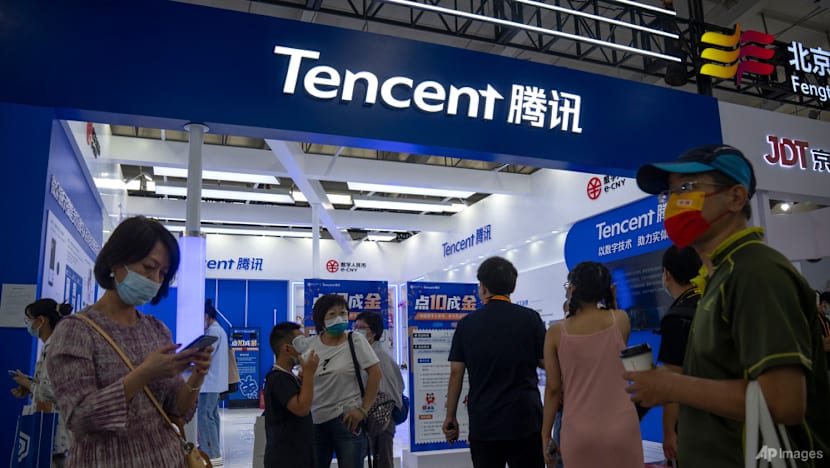
Alibaba and Tencent have both highlighted risks to their computing resources and expansion strategies amid the latest rules.
Short-Term AI Delays and Global Ripple Effects
The new measures block remote access to powerful chips via data centers outside China, closing a previous workaround for training models.
This change follows the resignation of Nvidia chief Jensen Huang and comes as part of broader efforts to limit China's access to cutting-edge technology.
Founders building AI tools may face higher costs and slower progress if they rely on international supply chains tied to these restrictions.
Over the next twelve months, Chinese firms are likely to accelerate investments in local alternatives, creating opportunities for domestic hardware startups.
Long-Term Shift Toward Self-Reliance and Market Winners
Industry leaders note that greater dependence on homegrown chips will push the sector forward faster than before.
Companies with strong cash reserves like Alibaba can weather the transition, while smaller players risk falling behind in model development.
Historical patterns show that past export limits have consistently sped up China's push for independent technology ecosystems.
Second-order effects include potential gains for non-Chinese data center operators in Southeast Asia who avoid the new rules and losses for firms heavily exposed to Nvidia hardware.
Overall, the curbs reinforce a divided global tech landscape where innovation paths diverge along national lines.