Oil Prices Climb on Houthi Attacks Near Riyadh as Supply Risks Mount
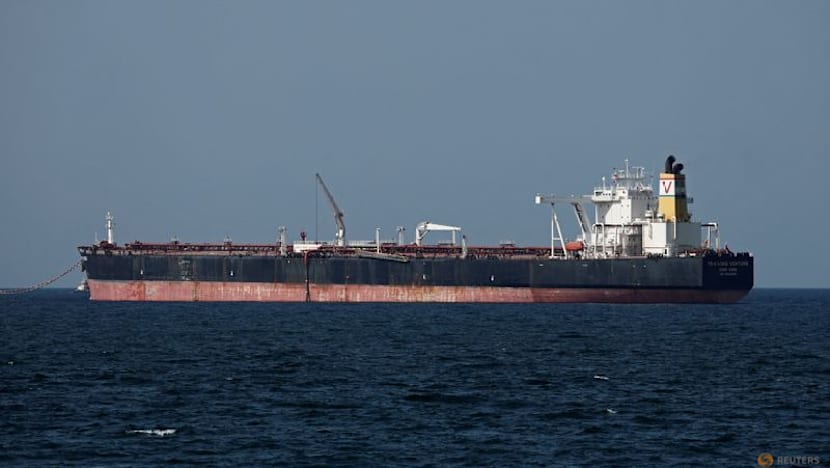
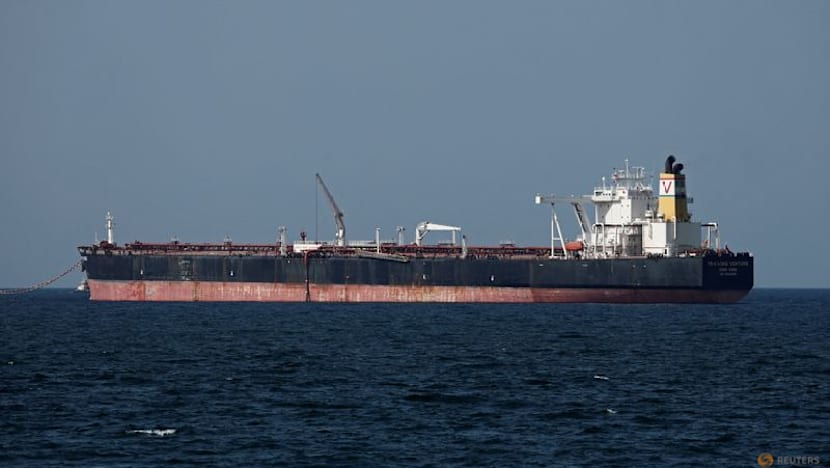
Oil prices ticked higher on Friday after reports of Houthi strikes near Saudi Arabia's capital raised fresh worries about crude flows from the Middle East.
Brent crude reached 92.77 dollars a barrel while West Texas Intermediate hovered near 83 dollars.
Geopolitical Risks Hit Energy Markets
Business Lessons from Oil Shocks
Founders in logistics and manufacturing now face higher fuel costs that could squeeze margins in the coming months.
History shows past Middle East tensions often accelerated investment in alternative energy and efficiency tools.
Over the next twelve months companies that diversify suppliers early may gain an edge while others absorb repeated price swings.
Renewable startups and battery firms stand to benefit as buyers seek to reduce reliance on volatile crude supplies.
Oil-dependent sectors such as heavy transport and chemicals could see delayed projects if disruptions continue.
The upcoming OPEC+ talks add another layer of uncertainty for anyone planning long-term energy budgets.
Founders should review hedging options and explore local or non-OPEC sources to limit exposure.
Broader market caution linked to equity weakness may keep prices from rising sharply despite the supply headlines.
Smart operators treat these events as reminders to build resilient operations rather than chase short-term commodity bets.