Why Some AI Fintech Problems Require a Maximum Viable Product From Day One
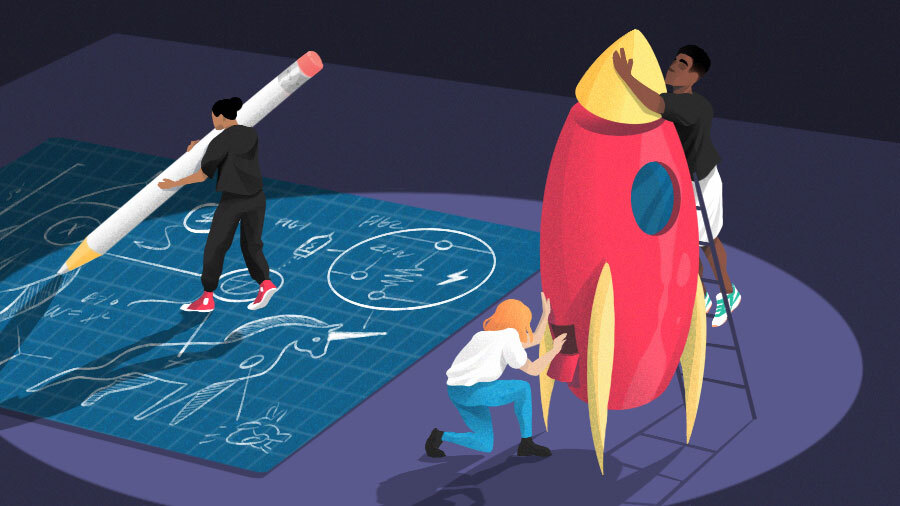
Serial founder Daniel Kjellén learned through experience that certain ambitious problems in startups cannot be addressed with a narrow minimum viable product.
After exiting his first company he launched Freda as an AI-native compliance platform in Stockholm.
The Hydra Problem in Compliance
Compliance involves interconnected obligations across legal product and regulatory teams that rarely align in traditional setups.
Addressing one aspect often creates new issues elsewhere making piecemeal fixes ineffective.
Founders with prior scaling experience recognize the need for a comprehensive build from the outset rather than iterative narrowing.
This approach draws on historical patterns where alumni from companies like Spotify and Klarna pursue broader visions after initial successes.
AI and Serial Experience Shift the Playing Field
Language models now enable small teams of twenty two people to ship complex products at speeds once requiring hundreds.
Self funding removes pressure to shrink ideas for early investors allowing full commitment to world changing goals.
Over the next twelve months more experienced founders may accelerate AI tools in regulated sectors creating second order effects that favor those with capital and networks.
Early stage investors could lose ground as serial entrepreneurs bypass traditional MVP constraints and attract talent more easily.
Ultimately this dynamic rewards resilience built over years while highlighting how AI lowers barriers for maximum viable products in fintech.