
Meta Smart Glasses Hit Dutch Court Over Secret Recording Fears
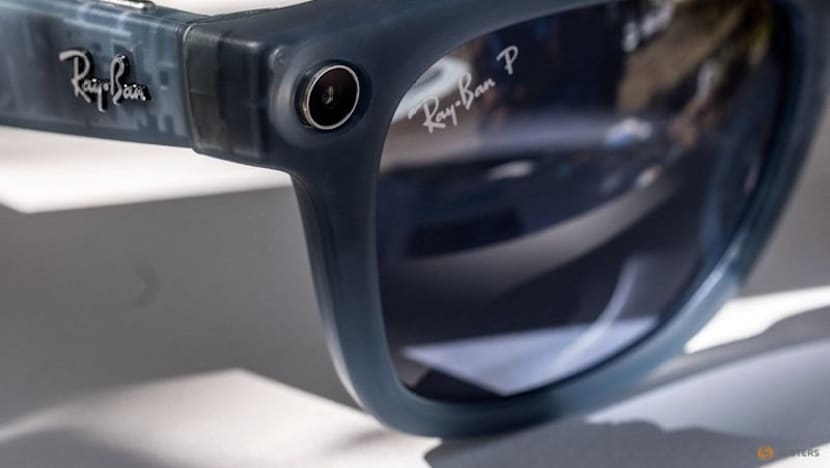
Dutch groups have taken Meta to court in a bid to stop sales of its smart glasses in the Netherlands.
The action highlights growing tensions between wearable AI devices and personal privacy rights across Europe.
Privacy Risks in Everyday Wearables
Founders building AI hardware must now weigh hidden recording features against strict data rules that can trigger sudden sales halts.
Competitors selling non-AI glasses stand to gain if Meta faces restrictions while others keep operating freely.
A decision expected in mid-December could influence similar cases and force companies to add clearer user warnings.
Long-Term Effects on AI Hardware
Over the next twelve months regulators in multiple countries may push for uniform recording lights and data bans that slow product launches.
Historical patterns with early smartphone cameras show how initial privacy scares led to industry-wide consent standards and higher compliance costs.
Startups in the wearables space could lose investor interest if courts treat secret filming as a product defect rather than user misuse.
Users and bystanders both face ongoing uncertainty as sales continue without immediate changes.
Broader adoption of similar glasses may stall until firms demonstrate stronger safeguards for public spaces.