Data Centers Slash Power Bills via Quick Cuts, Shifting Costs to Households
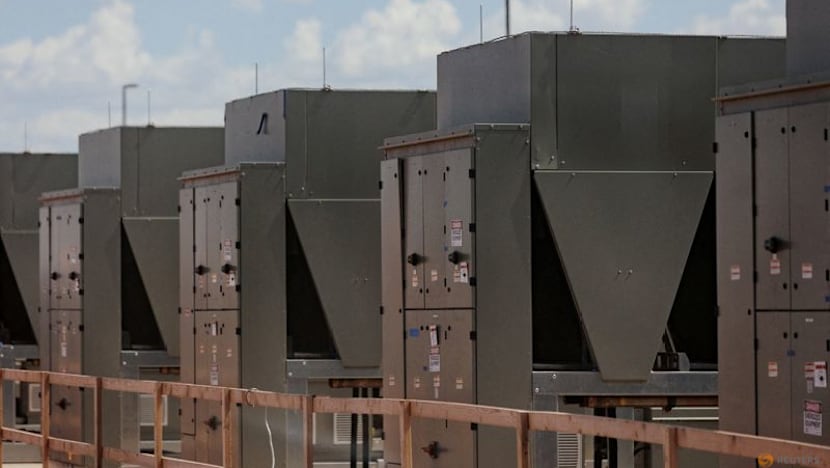
US data centers are using short periods of reduced electricity demand to lower their bills substantially each year.
This approach helps operators manage expenses amid growing AI-driven power needs.
Understanding Peak Shaving in Energy Markets
Peak shaving lets large users avoid high grid charges tied to system-wide demand spikes.
Historically industrial sites employed similar tactics before data centers adopted them widely.
Households lack the tools or incentives for equivalent savings creating an imbalance in cost distribution.
Second-order effects include potential delays in grid upgrades that could slow overall AI expansion.
Who Gains and Loses from Shifting Grid Expenses
Operators benefit from lower operational costs that support faster scaling of AI facilities.
Residential customers may face higher bills as utilities pass on infrastructure expenses.
In the next 12 months regulators could revise allocation rules to balance these burdens more evenly.
Big Tech firms are already negotiating to limit their exposure to new transmission fees.
Founders building AI tools should monitor these shifts as they influence long-term infrastructure pricing.
Overall the practice highlights tensions between innovation growth and equitable energy access.