Circadian Rhythm Tests Open New Era for Timing Cancer Treatments and Beyond
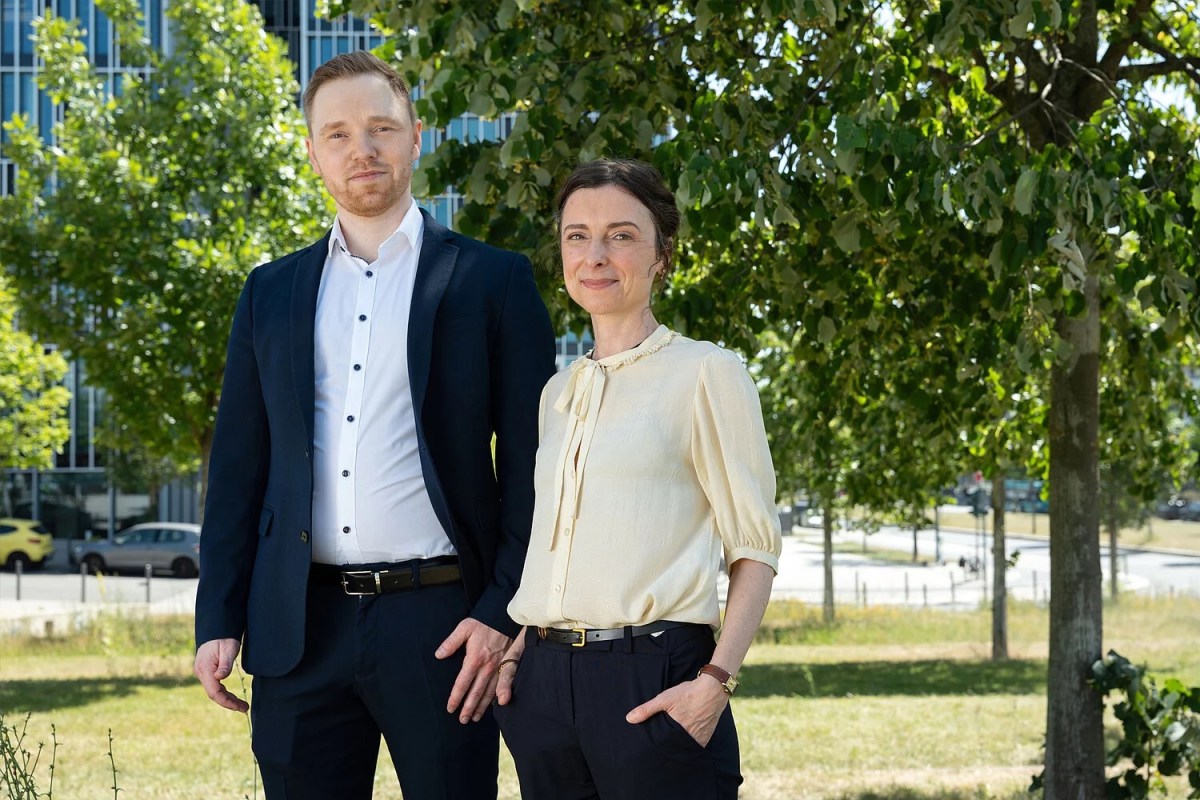
Internal body clocks influence nearly every biological process from sleep to drug metabolism.
TimeTeller offers a simple saliva test that maps an individual's circadian rhythm for practical use.
Historical Roots of Chronomedicine
Future Outlook and Market Shifts
Scientists have studied daily rhythms in medicine for decades yet few tools reached routine clinical practice until recently.
The startup's founder drew from oncology research where mistimed therapies often caused unnecessary side effects for patients.
Insurance partnerships already reimburse the test for select cancer cases in Germany signaling early adoption momentum.
Patients gain better tolerance and potentially stronger results when therapies align with personal peak times.
Longevity clinics now use the data to tailor sleep nutrition and exercise recommendations for healthier aging.
Over the next twelve months expanded clinical trials could unlock timing data for additional drugs and diseases.
Traditional fixed-schedule treatments may face pressure as precision timing proves more effective.
Founders in healthtech should watch how wearable integration could scale rhythm tracking beyond lab tests.
This shift rewards companies that combine biology data with everyday lifestyle advice for broader user value.