Black Lake’s Eight-Year Pivot to Industrial AI: How One Chinese Startup Is Turning Factory Know-How Into Software That Scales
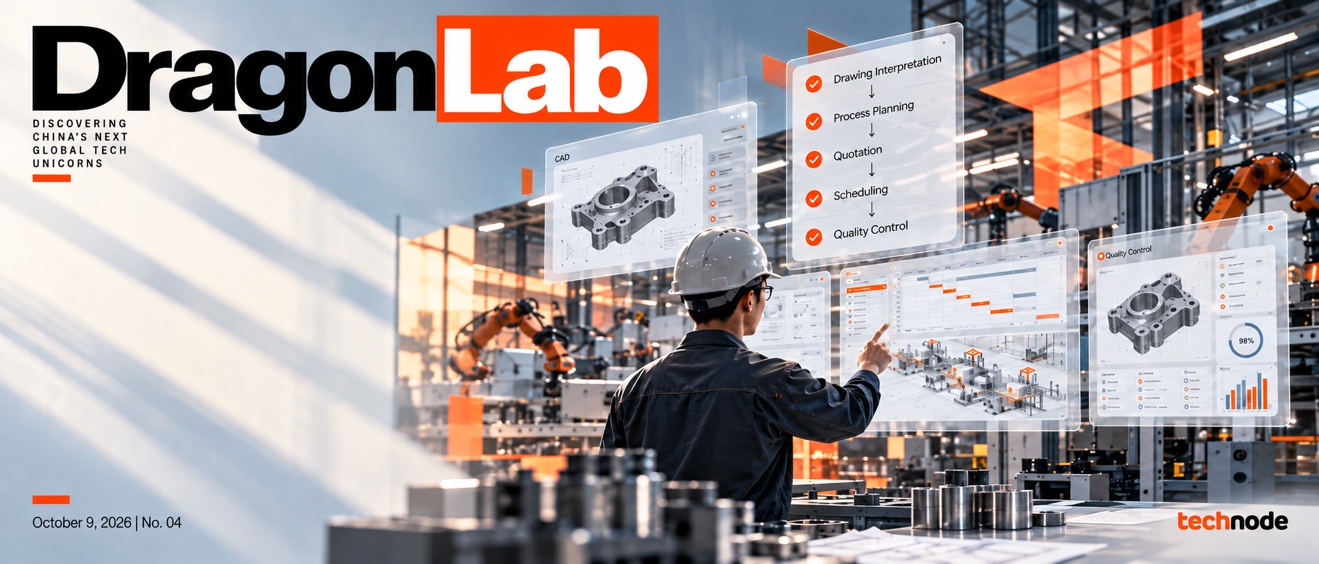
Black Lake Technologies has spent eight years chasing the same core challenge in manufacturing despite two major tech shifts.
The Shanghai company now deploys AI agents that turn CAD drawings into process plans in about one minute with over 95 percent reported accuracy.
Why Factory Data Still Matters More Than Flashy Robots
Founder Zhou Yuxiang started the firm in 2016 after seeing that many factories lacked usable data for basic decisions.
Early work on blockchain and analytics evolved into today’s focus on AI agents for quoting, scheduling and quality control.
Small and midsize plants in China’s fragmented ecosystem gain the most because experienced workers’ knowledge can now be captured and reused systematically.
This matters to founders because it shows how unglamorous data capture enables the next layer of automation without massive hardware overhauls.
One non-obvious effect is that gig-economy style sales teams, including former food-delivery riders, may become a repeatable playbook for reaching hard-to-access SME customers worldwide.
Global Expansion Tests Whether China Lessons Travel
The firm raised nearly RMB 1 billion in Series D funding in April and reports profitability since 2025 with revenue growth above 60 percent annually.
Over 100 overseas customers already operate in more than 10 countries including Mexico, Indonesia and Vietnam.
A 12-month outlook hinges on whether the China-honed model adapts to markets with stronger ERP systems and different data rules.
Founders watching this should note the historical pattern: companies that stick to one stubborn operational problem across tech cycles often build durable advantages.
Smaller factories stand to benefit most by leveling the playing field against larger competitors, while traditional enterprise software vendors may face pressure to integrate similar agents.
Overall the bet highlights that real industrial AI wins will come from embedding decisions in existing workflows rather than replacing entire factories.