BepiColombo Enters Mercury Orbit After Eight Years, Facing New Software Glitch
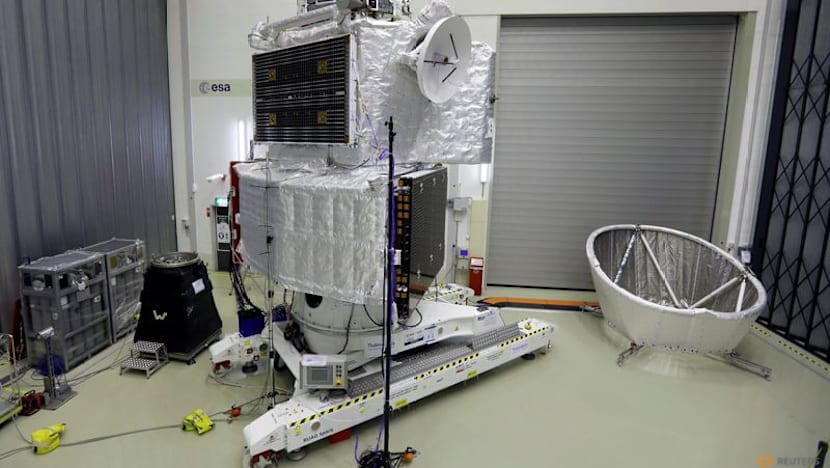
The European-Japanese BepiColombo mission has reached Mercury after a long journey from launch in 2018.
Teams confirmed the spacecraft entered orbit successfully despite a shorter than expected thruster burn caused by a software issue.
The spacecraft remains safe while engineers investigate the problem at mission control.
Resilience After Past Setbacks
This arrival follows a 2024 power fault that reduced thrust and delayed the original schedule by nearly a year.
Missions like this show how repeated adjustments keep complex projects on track despite technical hurdles.
Founders can learn from the pattern of using gravity assists and adaptive planning to reach distant goals efficiently.
Such persistence often leads to breakthroughs that inspire new technologies in propulsion and navigation systems.
Outlook for Science and Industry
The two orbiters will separate in December before full science operations begin in April 2027.
Data from Mercury could improve understanding of planetary formation with potential applications in materials science and extreme environment engineering.
Private space companies may benefit from shared lessons on software reliability during critical maneuvers.
Over the next twelve months the mission will test heat management and magnetic field instruments under harsh conditions near the sun.
Success here highlights opportunities for startups developing similar resilient systems for commercial satellites and deep space ventures.